Catalyst
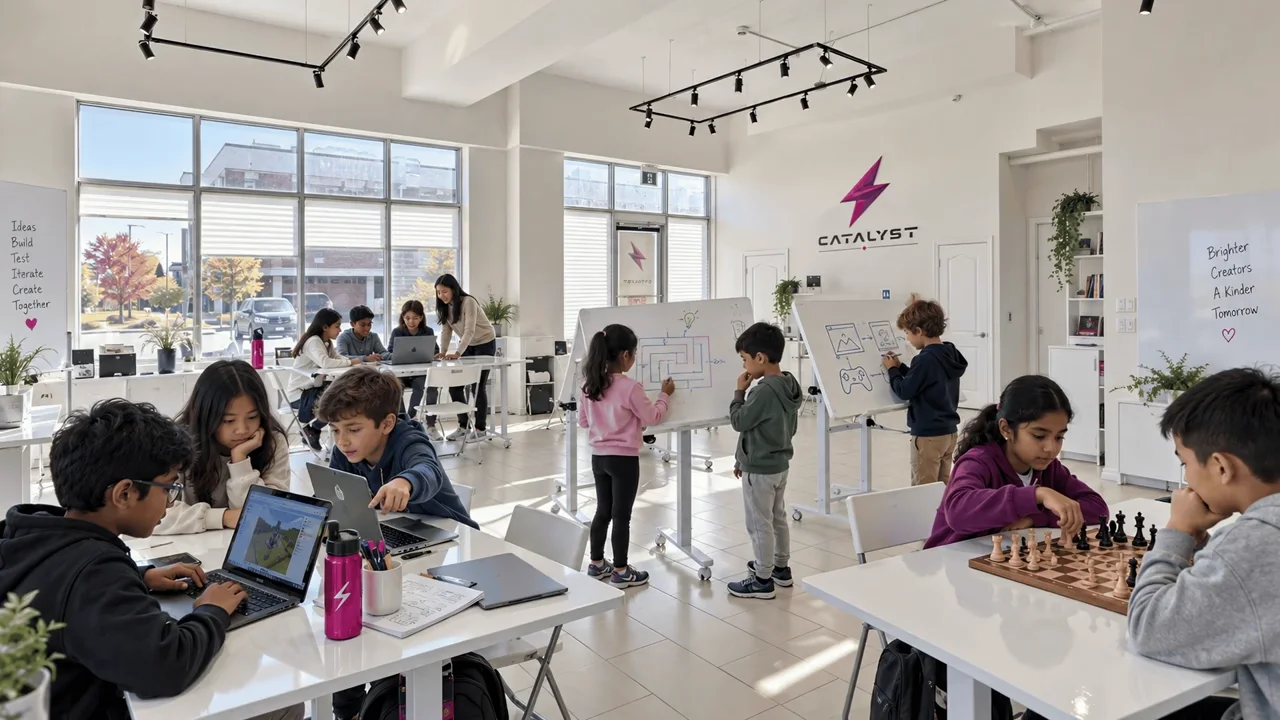
Children creating, collaborating, and playing chess in the Catalyst incubator
Catalyst IncubatorMarkham, Ontario · Ages 6–13
SCROLL TO DISCOVER

A NEW GENERATION OF CREATORS

An Incubator for
the AI Generation.

A place to imagine, build, and shape the world.AI creation for kids. Powered by their curiosity.

01 / THE POSSIBILITIESFROM AN IDEA TO SOMETHING YOU CAN EXPERIENCE.

THIS IS WHAT CREATION CAN LOOK LIKE.

They imagine it.
Then it comes to life.

Animated characters. Interactive science. Worlds with rules of their own. These project examples show what’s possible—and where a child’s curiosity could lead.

SCROLL TO EXPLORE01 / 03
Games & worldsPROJECT INSPIRATION
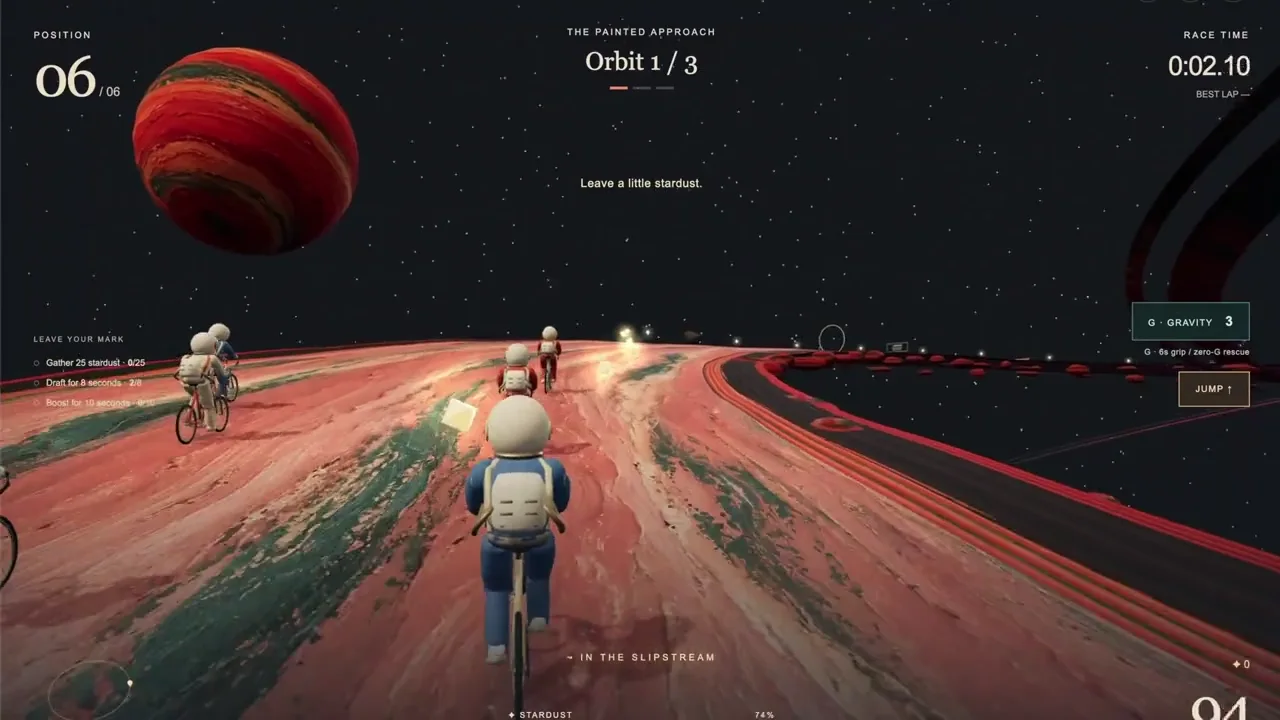
Games & worlds project demonstration
PROJECT DEMONSTRATIONPlay, pause, or expand.
01 / INTERACTIVE WORLDS

Build a world.
Set it in motion.

Characters, movement, rules, and a universe of your own. An idea can become a game that other people actually play.

Game designStorytellingLogic
EVERY BIG IDEA HAS A FIRST STEP.

Start with a character, a challenge, and one playable level.

THE QUESTION THAT STARTS IT ALLWhat would make your world worth exploring?
02 / SCIENCE YOU CAN EXPLORE

Make the invisible
impossible to ignore.

Turn a topic you love into an interactive experience. Explore a cell, uncover its parts, and design a new way to understand how life works.

Research3D visualizationCommunication
EVERY BIG IDEA HAS A FIRST STEP.

Start with one cell, a few labelled parts, and an explanation in your own words.

THE QUESTION THAT STARTS IT ALLHow would you help a friend understand something complex?
03 / IDEAS THAT YOU CAN TEST

Take it apart.
Figure it out.

See an engine work from the inside. Use AI to help model a system, change its settings, and explain what happens next.

Systems thinkingSimulationExperimentation
EVERY BIG IDEA HAS A FIRST STEP.

Start with one moving part and a simple cause-and-effect model.

THE QUESTION THAT STARTS IT ALLWhat would you change—and what do you predict would happen?

Project inspiration, adapted to each learner’s starting point. These examples are not presented as completed Catalyst student work.

02 / THE CREATION CENTREIMAGINATION, MEET POSSIBILITY.

AI IS PART OF THEIR WORLD.

Help them becomethe ones who create it.

Catalyst is an AI creation centre for ages 6–13. Children learn to use AI comfortably, thoughtfully, and safely—by building projects they care about, with people who help them grow.

Children collaborating on a laptop project while teammates sketch ideas with a coach
REAL CURIOSITY. SHARED AMBITION.Small teams.
Big “what ifs.”
01

Learn to think with AI.

Prompt clearly. Question the answer. Protect personal information. Keep human judgment in charge.

02

Make something that matters.

Games, stories, animations, apps, and simulations. Their interests become the starting point for a project.

03

Build the human skills, too.

Collaborate, explain decisions, give feedback, and present with confidence. Technical and people skills grow together.

COOPERATE. COMPETE. CREATE.

Creation feels like play.The progress is real.

Every week has the energy of a hackathon and the guidance of a learning studio. Teams of two or three stretch their ideas, test each other’s work, and learn to make their case.

01

Find your team.

Share ideas, rotate responsibilities, and solve problems together.

02

Meet the challenge.

Compete on creativity, quality, teamwork, and improvement.

03

Tell the story.

Show what you built. Explain why it matters. Learn from the response.

03 / FIND THEIR STARTING POINTONE FOUNDATION. ROOM TO GROW.

THE RIGHT CHALLENGE, AT THE RIGHT AGE.

Start curious.
Grow capable.

No coding experience required. We begin with what interests them, then build the skills to bring it to life.

THE FIRST SPARK6–9

Scouts

Curiosity becomes creation.

Learn to interact safely with AI, ask better questions, design an idea, and build something with friends.

  • Safe AI habits and simple, clear prompts
  • Games, animations, and interactive stories
  • Visual design and step-by-step problem solving
  • Team challenges and confident show-and-tell
“What if my friends could
choose how the story ends?”
In person · Markham
THE NEXT POSSIBILITY10–13

Creators

Creation becomes value.

The same AI foundation, with greater independence and an entrepreneurial lens. Build for someone, then explore why they would want it.

  • Stronger prompts, prototypes, and technical skills
  • Games, worlds, stories, and useful digital tools
  • Audience, value, costs, and pricing experiments
  • Product pitches and constructive peer feedback
“Who would play our game?
What would make it worth buying?”
Markham or virtual
04 / THE 12-WEEK SEASONONE IDEA. THEN A BETTER ONE.

TWO HOURS A WEEK. A NEW STEP FORWARD.

Design. Build.
Present. Evolve.

A four-week creative cycle, repeated three times. Each season ends with a portfolio and progress review, so you can see what your child is learning.

01
WEEK ONE

Design

Start with “what if.”

Follow an interest. Ask questions. Sketch a story, a game, or a useful idea. Learn to explain your intention clearly to AI.

THE TAKEAWAYA plan, a storyboard, and a first prompt.
02
WEEK TWO

Build

Make the idea real.

Create with your team. Use AI, test its output, debug the result, and improve it. A coach helps you work through the hard parts.

THE TAKEAWAYA working prototype and a record of what changed.
03
WEEK THREE

Present

Show us what you made.

Demo your project, explain your choices, and invite others to try it. Creators also explore the audience, value, and possible price.

THE TAKEAWAYA clear pitch, a live demo, and peer feedback.
04
WEEK FOUR

Improve

Bring the next version.

Compete in friendly challenges. Share what worked, learn from what did not, and refine your project before the next cycle.

THE TAKEAWAYA stronger project and a goal for the next round.
3 creative cycles+1 portfolio & progress reviewA clear next step.
Every season.

EXCITING FOR THEM. MEANINGFUL FOR YOU.

Confidence you can see.
Habits they can keep.

We look at the work and the thinking behind it. Each season’s review considers four kinds of growth.

01

AI judgment

Prompt clearly. Check the result. Keep personal information private.

02

Technical confidence

Plan, build, test, and improve a working project.

03

Communication

Explain an idea, demonstrate the work, and respond to feedback.

04

Collaboration

Share responsibility, help a teammate, and learn from a setback.

BEFORE THEY BEGIN

Good questions.
Clear answers.

Everything starts with finding the right fit for your child.

No. Scouts begin with guided activities, visual tools, and simple prompts. Creators build from their current experience toward more independent projects. Curiosity is the starting point.

THE FUTURE IS SOMETHING THEY CAN CREATE.

Their next big idea
starts here.

A few details now. A conversation about the fit next.

Ages 6–13 · Markham + virtual · No payment to enquire

FOR FUTURE COACHES

Help the next generation create.

Upper high school and university students: bring your technical curiosity, leadership, and care for younger learners.

Their next chapter starts here.Ages 6–13 · Markham + virtual